


Here is my analysis of the title sequence of the James Bond film, Spectre:
Thursday, 15 December 2016

Tuesday, 29 November 2016
Tuesday, 8 November 2016
The Fall Gender Analysis
Although I completed this as part of my study of the representation of gender for my AS exam, it is relevant to the my coursework as, in planning for this, I will need to consider how the representation of gender is constructed through the use of camera shots, mise-en-scene, editing and sound. This will hopefully enable me to represent characters in a variety of different ways in my film opening.


Tuesday, 11 October 2016
Utopia Article
Utopia
For our case study, we are studying a TV show from Channel 4 named 'Utopia'. Using this article ( http://www.wired.co.uk/article/utopia-channel-4 ), I will explain how 'Utopia' achieved a 'comic book' look.
Whereas a typical film will construct colour with blues, greens and reds, the director (Marc Munden) was inspired by the palette of 1950s Hollywood, where instead they used yellows, cyans and magentas- the opposite colours.
From the article:
"Like comic-book artists, Munden and colourist Aidan Farrell carefully colour-correct each shot in post-production -- though they use grading software Nucoda Film Master instead of a brush or pen. "It's the equivalent of when they used to hand-paint photos in the Edwardian times," says Munden. "So, we choose certain colours like yellow and turquoise and paint them into the shots afterwards."
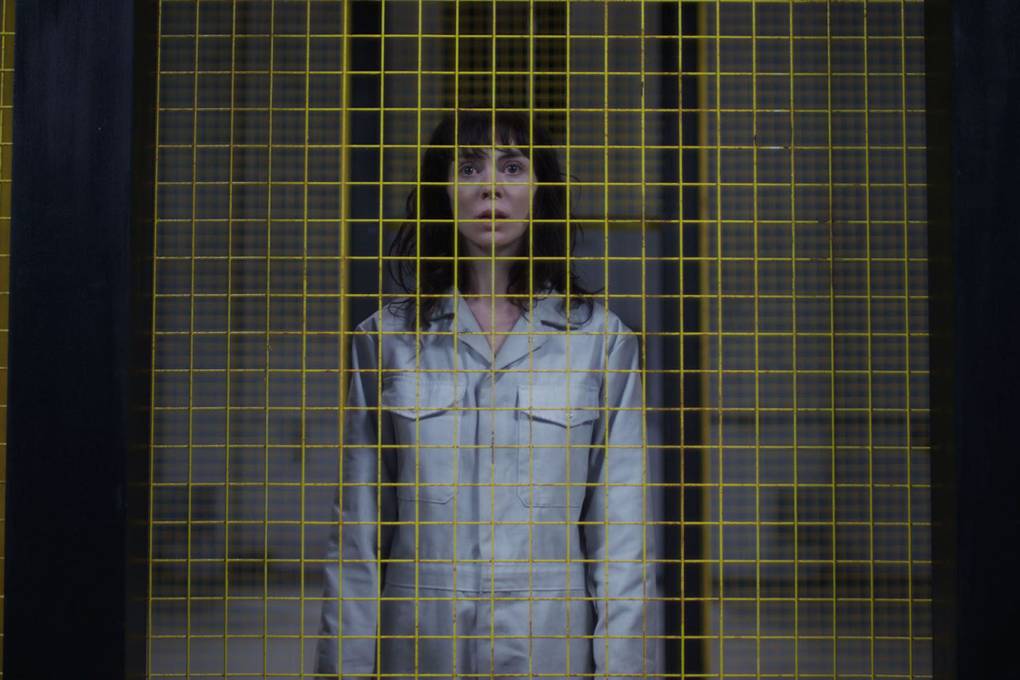
Before
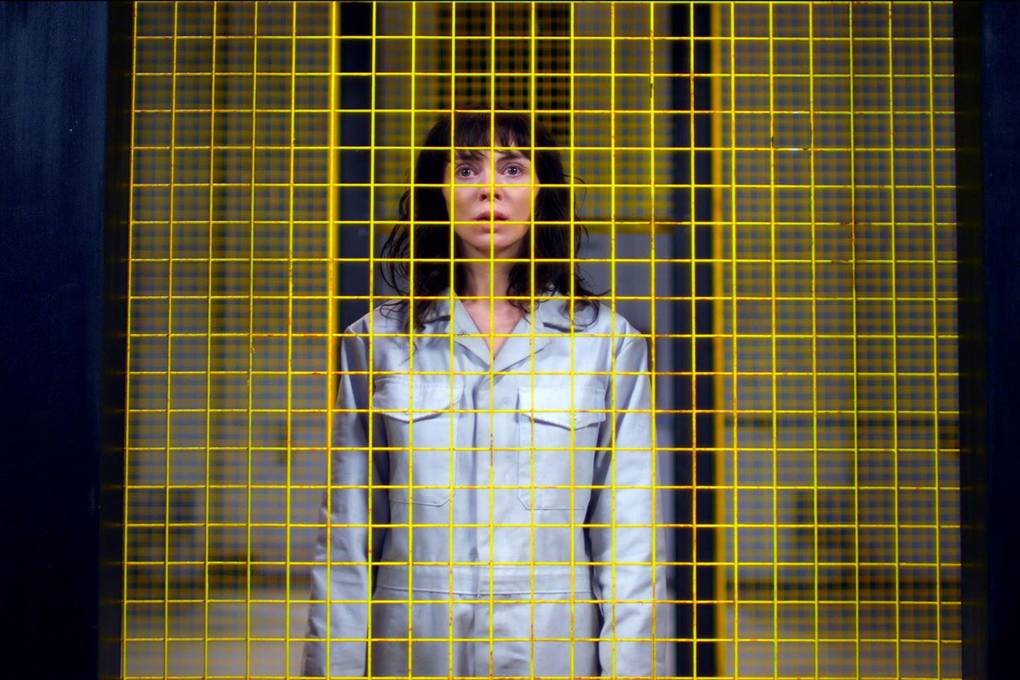
After
Tuesday, 27 September 2016
Preliminary Task
Preliminary Task:
For our first project, we have to film a short sequence where a character opens a door, enters through the door and walks across the room, before sitting in a chair and exchanging a few lines of dialogue with another character.
Here are a few techniques we have to use:
Match on Action: A sequence where two shots appear as though they flawlessly follow on from each other, such as showing two shots of a character opening and entering a door.
180 degree rule: The rule which states that during a shot of two people, there's an imaginary line through them. You can shoot any camera shot you like, as long as they're all on the same side of the line. This helps the audience to not be confused when the characters are speaking.
Shot/Reverse Shot: Camera shots to show dialogue between two characters by switching between them as they're speaking.
Sunday, 18 September 2016
Camera Shots and Angles
Here are some examples of the camera shots and angles that we have been researching:

Mid-Shot using leading lines: used to draw the viewer's eyes to a particular thing or person.

Close-up: used to show close details on a person or thing.

Two shot: used to show the relationship between two people.

Tilt Shot: used to show chaos or discord, signifies impending doom.

Low Angled Shot: used to show a person in a position of dominance or power.

Over the Shoulder Shot: used to show dominance in conversation, or give the sense of being followed.

Establishing Shot: used to set the scene.
Welcome!
Welcome to my blog!
As a person who watches too much TV and a ridiculous amount of films, studying media at AS seemed to be one of the best options for me. I've never studied media before, but I think it will be hugely interesting and a great creative outlet.
Since I'm much more familiar with technology than being on camera, the part I'm most looking forward to is editing. I've gathered the impression that it's the part where the footage is really brought to life, and I'm excited to learn all about it.
Hopefully you will get to see how much I improve in this subject as the year progresses, and that the final film (a 2:30 film opening) I create this year showcases all of my media knowledge!
Subscribe to:
Comments (Atom)